

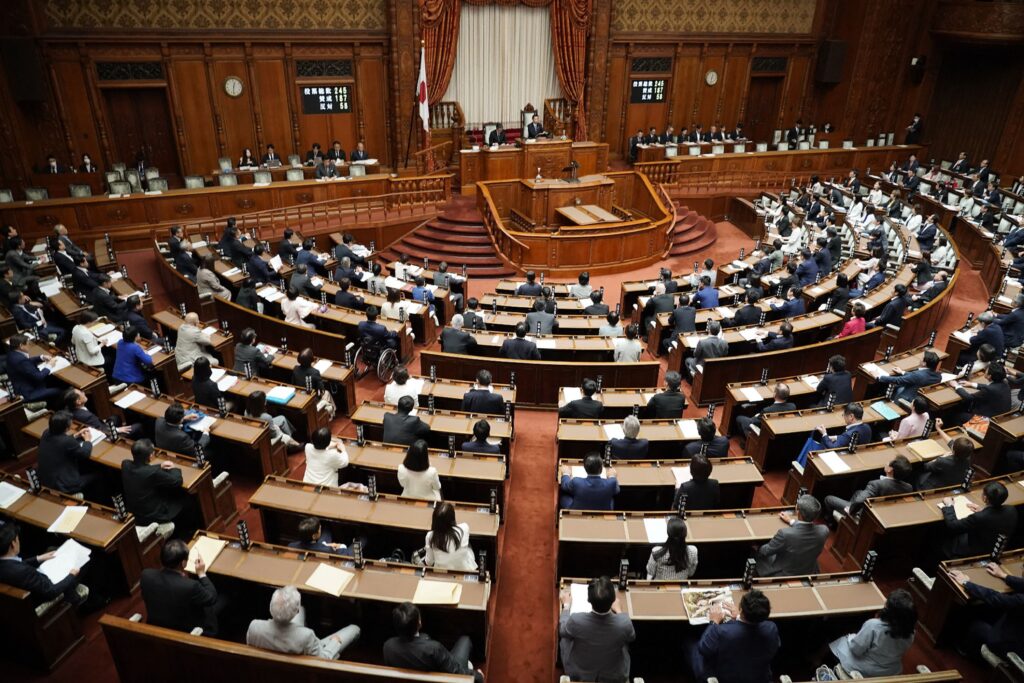
Japan’s parliament passed legislation on Wednesday to launch a new intelligence council, a move by Prime Minister Sanae Takichi’s push to bolster the nation’s security agenda.
Japanese officials have long argued for enhanced intelligence capabilities to deter foreign spies, prevent terrorism, safeguard sensitive technologies and improve national security.
The Asian nation has faced criticism that its existing policies and law enforcement against espionage are too relaxed with some labelling the nation a “spies’ paradise”. The issue has gained a renewed sense of urgency since a diplomatic row erupted with Beijing, after Takaichi suggested in November that Tokyo might intervene militarily in any Chinese attempt to take Taiwan.
Takaichi this week told the legislature that the step allows Japan to integrate intelligence activities currently fragmented across multiple ministries such as police, the foreign ministry and the defence ministry.
“To maintain peace and prosperity and pre-empt serious crises, it is of the utmost importance to establish a system in which the intelligence community provides robust support for sound decision-making by policymakers,” Takaichi said.
Under the new law, which was approved by the upper house on Wednesday and cleared by the lower house in April, the government will upgrade an existing intelligence body to serve as the central command for collecting and analysing information related to security and public safety.
The newly created National Intelligence Council will be chaired by the prime minister. Critics have voiced concerns that the upgraded intelligence apparatus might lead to the government’s overreach and infringe upon individual freedom and privacy.
Meanwhile, Opponents have staged rallies across the nation against Takaichi, saying that her campaign to expand Japan’s defence capacity might draw Tokyo into international armed conflicts.