

Lagos State stepped up measures to prevent the importation of Ebola Virus Disease (EVD) into the country as health officials inspected facilities and emergency preparedness systems at Nigeria’s busiest international airport following renewed outbreaks in East Africa.
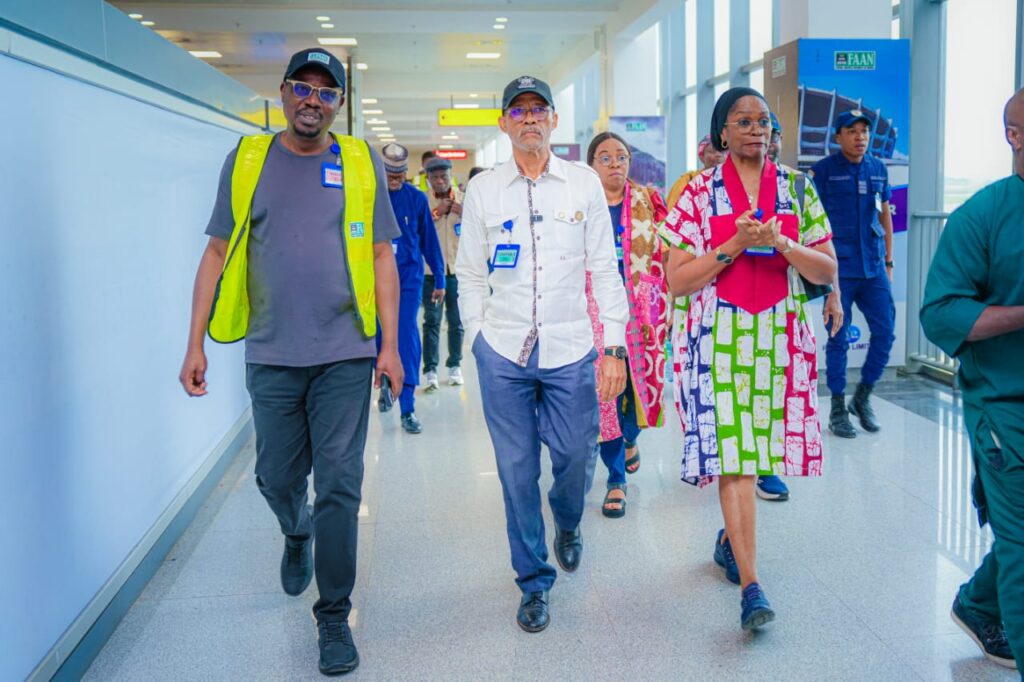
The State Commissioner for Health Professor Akin Abayomi led a delegation of senior health officials on a preparedness tour of Murtala Muhammed International Airport (MMIA) in Lagos, where they reviewed passenger screening procedures, infection-control measures and emergency response protocols.
Professor Abayomi said Nigeria’s successful containment of Ebola in 2014 following the arrival of an infected traveller in Lagos underscored the importance of maintaining vigilance against highly infectious diseases.”Almost eleven years ago, we experienced the importation of Ebola into Lagos from Liberia during the largest Ebola outbreak in recorded history. We were able to contain what became a relatively small outbreak in Lagos,” he said.
The commissioner said that increased global travel continued to heighten the risk of cross-border disease transmission and stressed the need for stronger surveillance systems at ports of entry.
According to Abayomi, MMIA handles about 70% of Nigeria’s international passenger traffic, making it the country’s most critical entry point for monitoring potential imported infections.
“The primary purpose of our visit is to understand how we can support your efforts, identify existing gaps and jointly develop practical solutions. Our objective is to create a bottleneck for the virus, not for passengers,” he stated.
The Commissioner said Lagos State was particularly interested in strengthening systems for early detection, rapid isolation and safe evacuation of suspected cases, while also improving digital monitoring and follow-up mechanisms for travellers arriving from countries of concern.
He further advocated exploring measures that would minimise interaction between passengers arriving from designated high-risk locations and other travellers, while maintaining efficient passenger flow through the airport
Abayomi said the state was seeking to strengthen early detection, rapid isolation and safe evacuation procedures for suspected Ebola cases, while improving digital monitoring and follow-up systems for travellers arriving from countries of concern.
Special Adviser to the Governor on Health Kemi Ogunyemi said disease prevention required sustained collaboration among government agencies and health stakeholders.”The frontline actually begins here at our ports of entry,” she said, describing airport personnel as key actors in disease surveillance and response efforts.
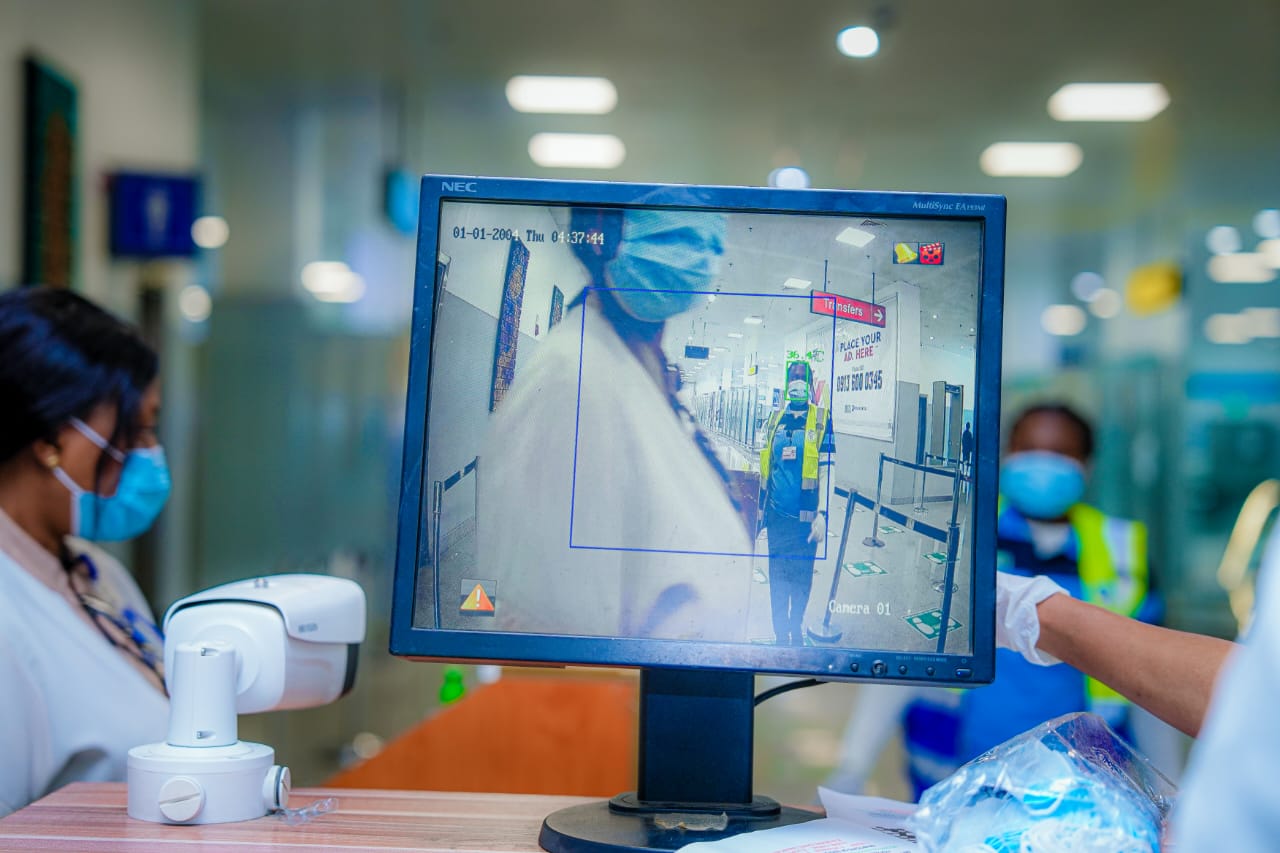
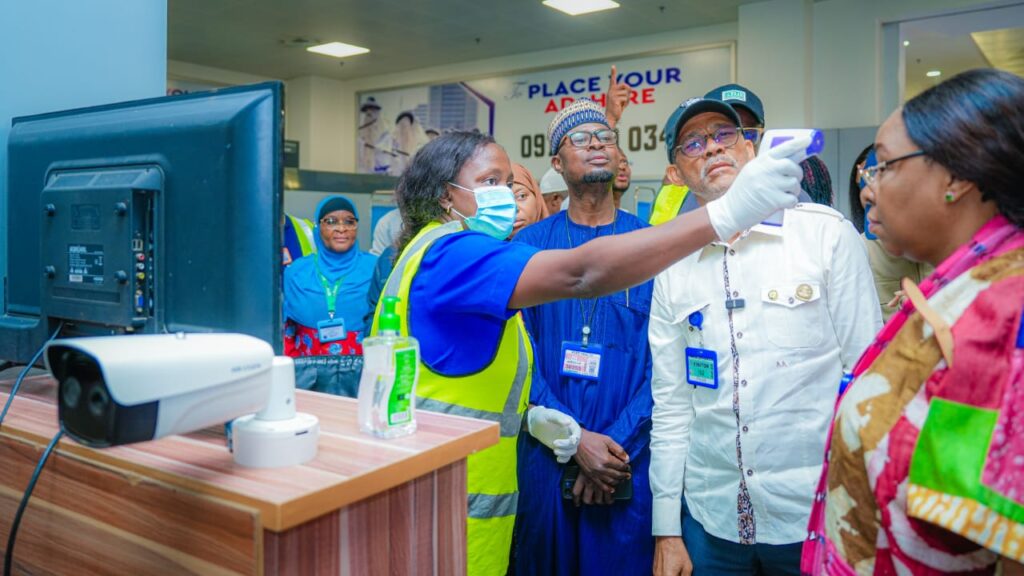
Airport Manager and Regional General Manager, South-West MMIA, Olatokunbo Arewa, said additional preparedness measures, including touchless hand-sanitiser dispensers and temperature-screening equipment, were being deployed to bolster airport defences.
He added that authorities were considering dedicated arrival channels for passengers travelling from high-risk countries to strengthen screening and surveillance.
Arewa disclosed that the airport had already commenced the deployment of additional preparedness infrastructure, including touchless hand-sanitiser dispensing systems and temperature-detection equipment, while plans were underway to further strengthen screening operations.
He said that MMIA’s longstanding collaboration with Lagos State Government dates back to the COVID-19 era and expressed confidence that the partnership would continue to play a pivotal role in responding to emerging public health threats.
“We would like this collaboration to continue, particularly in emergency response. Ebola is a highly dangerous disease and any suspected case must be isolated quickly and professionally to prevent transmission,” he said.
Head of Port Health Services at MMIA Lawal Abdullahi said the airport updated its Public Health Emergency Contingency Plan on March 18 and activated its emergency management team before the recent Ebola developments in East Africa.
He said risk assessments had been conducted to identify countries of concern and guide surveillance measures, while passenger screening systems were already in operation.
Officials from the Federal Airports Authority of Nigeria (FAAN) and the Nigeria Civil Aviation Authority (NCAA) said additional protective equipment, awareness campaigns and staff training programmes were being deployed, while airlines had been directed to comply fully with public health protocols on designated routes.
The inspection concluded with a tour of screening facilities, with state and federal authorities reaffirming their commitment to strengthening coordination and preparedness against Ebola and other infectious disease threats.