

The Osun governorship election of August 15, 2026, should not be viewed merely as another state election. It ought to be understood as a significant prelude to the 2027 general elections, coming only months before Nigerians return to the polls.
The contest has exposed the growing tension between state-level political interests and the influence of the federal political establishment. More importantly, it offers an opportunity to assess the strength of Nigeria’s democratic institutions, the commitment of political actors to peaceful competition, and the willingness of citizens to defend their right to choose their leaders freely.
There are legitimate concerns that the political atmosphere surrounding elections could become increasingly hostile. If political actors fail to restrain their supporters, violence could claim innocent lives, while ordinary opposition foot soldiers could become collateral victims of political struggles.
As the saying goes, a wolf may have to eat another wolf without remorse. In politics, however, such a reality must never become an excuse for the loss of human lives.
Voter apathy is another serious concern. Nigeria has already experienced disappointingly low levels of electoral participation, with turnout in some recent elections falling below 23 percent. Democracy cannot thrive when the overwhelming majority of citizens stay away from the ballot box because of fear, disappointment, intimidation or a belief that their votes will not matter.
The Osun experience should therefore serve as a warning ahead of 2027.
The 2027 Question
There are growing fears that the 2027 elections may not take place under the normal democratic conditions Nigerians expect. Such fears must neither be dismissed outright nor presented as established facts. They deserve serious public scrutiny.
One concern is whether leading opposition candidates will be allowed to participate without undue interference.
There are also concerns that legal, administrative or institutional processes could be used to weaken opposition candidates. Some Nigerians fear that prominent opposition figures could face disqualification, politically motivated investigations, arrests or other forms of pressure.
These remain concerns and possibilities, not established conclusions. Nevertheless, Nigeria’s democratic institutions must ensure that every political party and candidate is treated fairly and that electoral rules are applied transparently and consistently.
The credibility of the 2027 elections will depend not only on who wins, but also on whether Nigerians believe that everyone who was qualified to contest was given a fair opportunity to do so.
Internal Political Machinations
Another danger is the possibility of internal manipulation within political parties.
Political desperation, personal ambition and the pursuit of permanent political power can create circumstances in which individuals within a political movement work against their own colleagues. Such internal machinations can be more damaging than open political opposition because they are difficult to detect and can undermine institutions from within.
Nigeria must therefore guard against a situation in which political competition becomes a contest of money, intimidation, coercion and influence rather than ideas, competence and public service.
The huge sums of money allegedly deployed in political contests are another source of concern. Democracy becomes dangerously compromised when financial inducements, coercion or political pressure determine who participates and who ultimately controls political institutions.
Democracy Must Not Become Personalised
One of the greatest threats to democracy is the personalisation of political power.
Political institutions must remain stronger than individuals. Security agencies, electoral institutions, the judiciary and other state institutions must be seen to operate independently and impartially.
The credibility of the 2027 elections will depend heavily on public confidence in these institutions.
No individual, political party or administration should be allowed to capture the democratic process for personal or sectional advantage.
Nigeria belongs to its citizens, not to political parties or individual politicians.
Nigerians Must Defend Democracy
The ultimate winners of a credible democratic process should be the Nigerian people.
This is why non-partisan Nigerians with national credibility may have to step forward to defend democratic values, peaceful elections and the rule of law.
Former political leaders, respected academics, traditional institutions, civil society organisations, religious leaders, professional bodies, the media and young Nigerians all have roles to play.
The defence of democracy cannot be left exclusively to politicians.
Citizens must insist that their votes count, that political parties obey the law and that public institutions remain accountable.
A Personal Political Challenge
I will provide more details later on my own political plans, including how I intend to contest and, with the support of Nigerians across the six geopolitical zones, pursue a landslide victory.
My ambition is not simply to defeat one political party or another. It is to offer Nigerians an alternative to the politics of personal interest, division and compromise.
I intend to challenge both the incumbent President, Bola Ahmed Tinubu, and opposition candidates who, in my assessment, have failed to overcome personal interests and political differences sufficiently to present Nigerians with a compelling alternative.
The 2027 election should not be a contest in which Nigerians are merely asked to choose between established political camps.
It should be an opportunity to redefine the country’s political direction.
The lesson from Osun is clear: democracy must be protected before, during and after elections.
Nigeria deserves elections in which citizens vote without fear, candidates compete without intimidation, institutions act without political pressure and winners emerge through the genuine will of the people.
The coming months will determine whether Nigeria strengthens its democratic foundations or allows political desperation to weaken them.
The choice ultimately belongs to Nigerians.
More details will follow on the political roadmap, the proposed national agenda and the strategy for mobilising Nigerians across all six geopolitical zones.
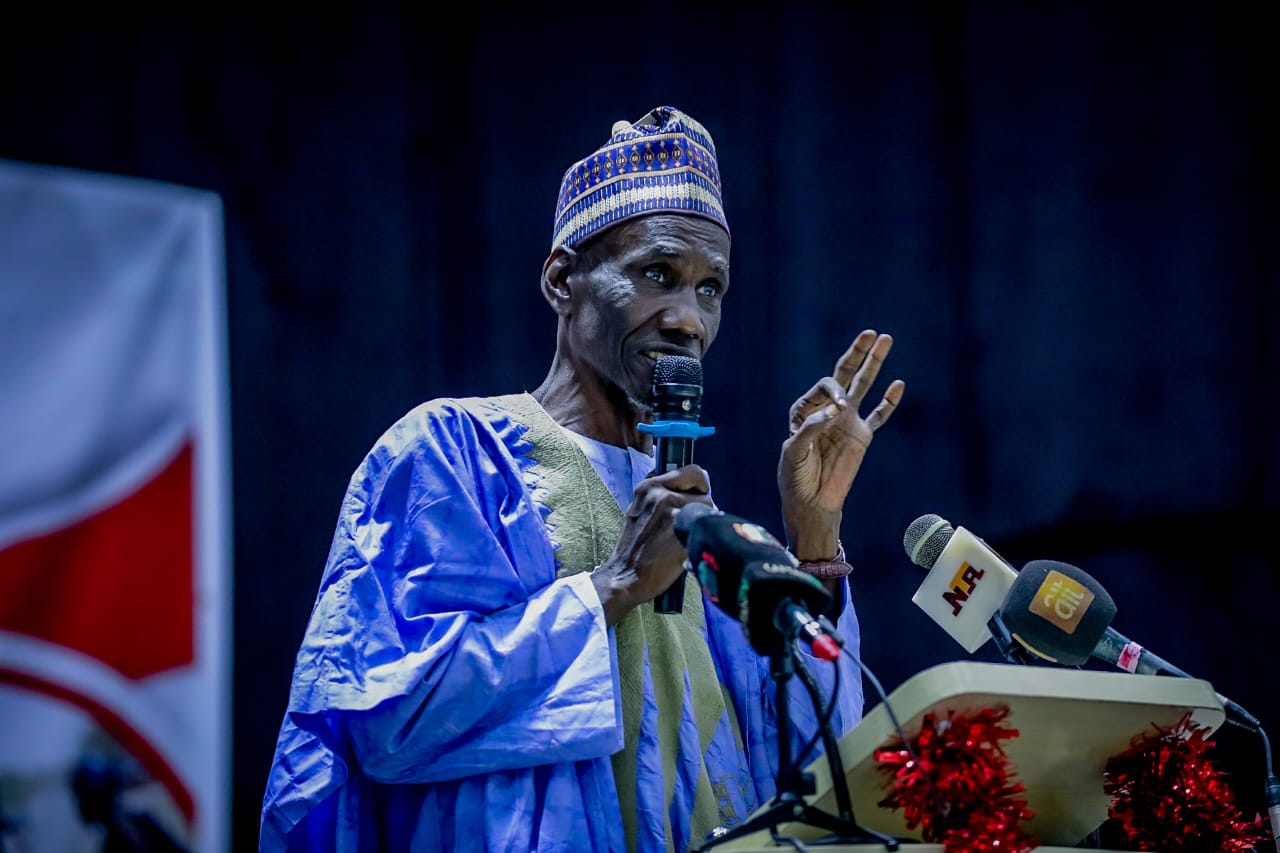
Prof. Khalifa Dikwa is an Elder statesman and Dean, Borno Elders Forum.