

Ivory Coast is banking on a new generation of homegrown businesses to drive its economic transformation, with the government positioning “national champion” companies at the heart of its 2030 development strategy.
The West African nation, one of the region’s fastest-growing economies, aims to build on more than a decade of sustained economic expansion by supporting firms in sectors ranging from manufacturing and financial technology to energy distribution.
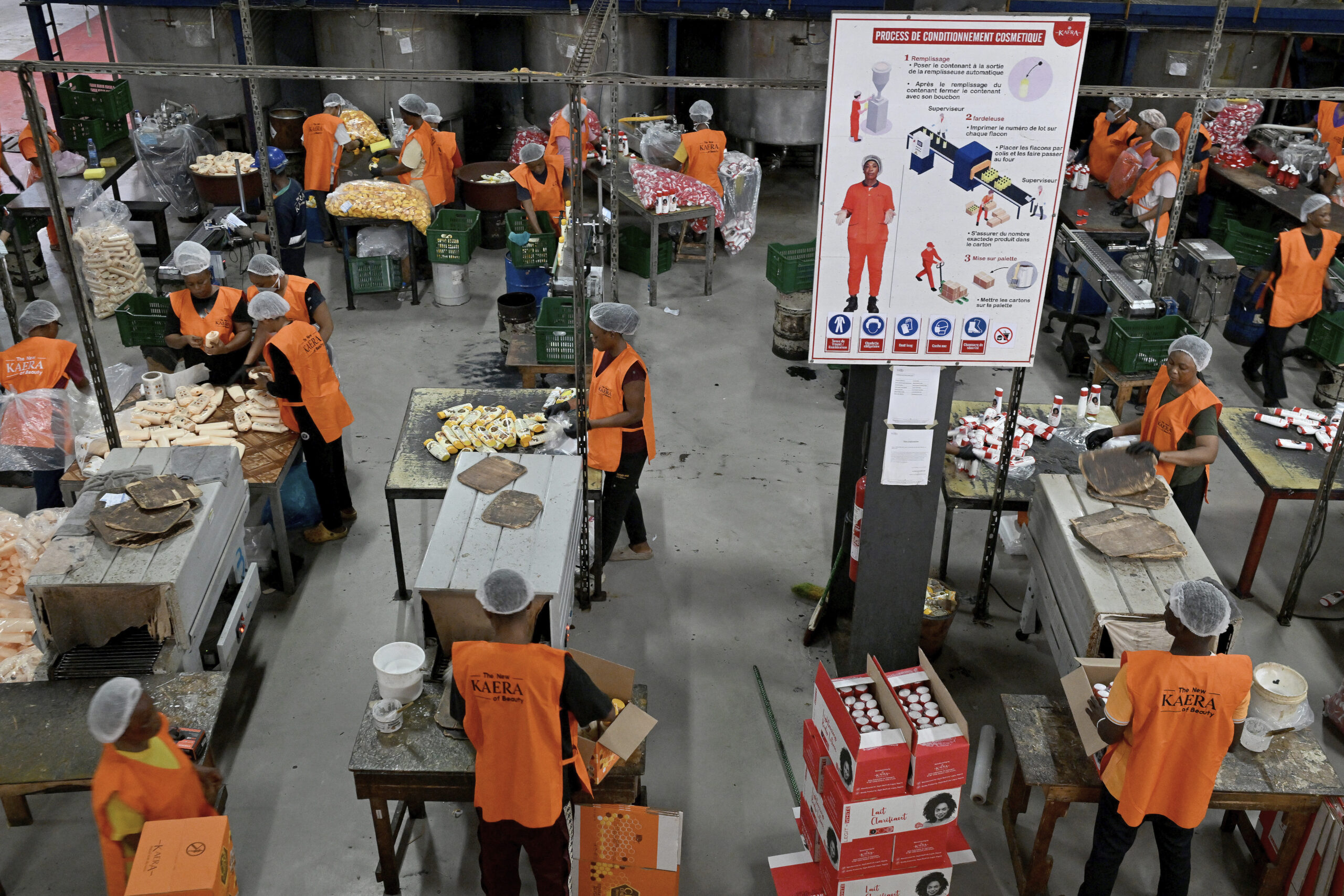
Among the success stories is Kaera, a cosmetics manufacturer that began in a small apartment in the late 2000s and now employs 600 people. The company exports shea butter-based beauty products to about 30 countries across Africa, Europe and the Middle East, and is now targeting further expansion into European markets.
Another rising company is Djamo, a fintech startup launched in 2020 that provides digital financial services to millions of users, many of whom previously had no access to traditional banking. Fuel distributor Petro Ivoire is also among the firms identified by the government as key players expected to stimulate growth and strengthen small and medium-sized enterprises.
The companies have benefited from a more stable business environment following the country’s 2002–2011 political crisis. With annual economic growth consistently above six percent, Ivory Coast has emerged as one of West Africa’s strongest-performing economies, attracting increased investor confidence.
The government’s strategy received a major boost after it secured $80 billion in international public financing for its 2026–2030 National Development Plan, four times the amount initially expected. Authorities also anticipate nearly $150 billion in private sector investment over the same period.
Officials say the long-term goal is to lift Ivory Coast into the ranks of upper-middle-income countries by 2030, raising average annual income per person from the current $2,700 to more than $4,000.
Despite the positive outlook, challenges remain. The country continues to grapple with bureaucracy, corruption and a large informal economy that accounts for nearly 90 percent of employment. Business leaders are urging faster digitalisation of public services and greater implementation of the African Continental Free Trade Area (AfCFTA) to reduce trade barriers and unlock access to a market of nearly 1.5 billion people.
Economists say continued reforms, expanding regional trade and recent oil and gas discoveries could further strengthen Ivory Coast’s position as one of Africa’s fastest-growing economies.