

The World Health Organization (WHO) says cholera has killed more than 3,000 people worldwide since the beginning of 2026, with Africa accounting for nearly 90 per cent of the deaths.
The UN health agency disclosed this, warning that despite a decline in fatalities during the first nine months of the year, the disease remains a major public health threat.
According to Lorenzo Pezzoli, WHO’s lead for epidemic-prone bacterial diseases, cholera killed nearly 7,900 people in 2025, making it the deadliest year for the disease since 1999.
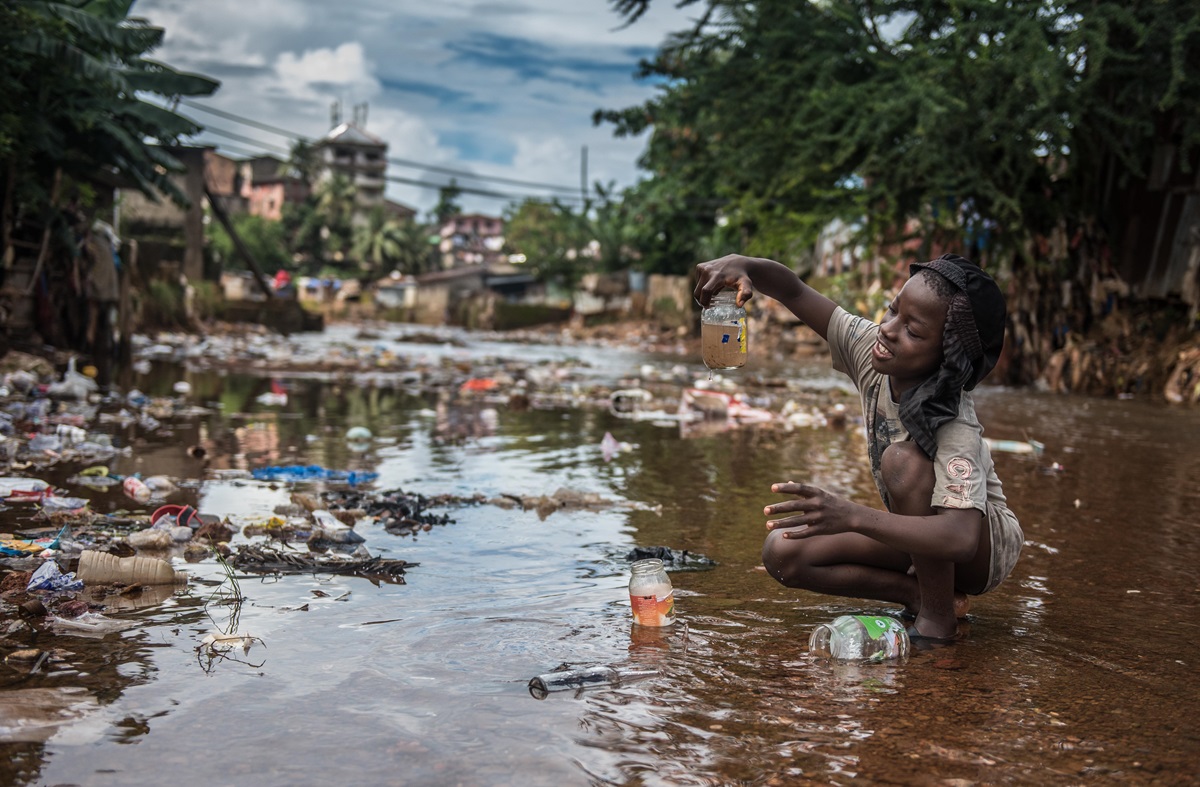
The WHO also warned that the current El Niño weather pattern could worsen outbreaks, as flooding and water shortages increase the risk of contaminated water supplies.
Cholera is an acute diarrhoeal infection commonly spread through contaminated food and water. Although preventable and treatable, it can cause death within hours if left untreated.
The WHO and vaccine alliance Gavi are targeting a 90 per cent reduction in global cholera cases by 2030 through mass vaccination campaigns, improved access to clean water and better sanitation.
Pezzoli said the target remained achievable, citing the approval of 71 million vaccine doses last year through the International Coordinating Group on Vaccine Provision.
The agency also highlighted improvements in the distribution of vaccines and rapid diagnostic tests to help health workers detect and contain outbreaks earlier.
Seven countries; Angola, Bangladesh, the Democratic Republic of Congo, Nigeria, South Sudan, Sudan and Yemen, accounted for about 90 per cent of global cholera cases and deaths in 2025.
While acknowledging progress in the global response, Pezzoli called for stronger efforts to eliminate cholera as a public health threat by 2030.